Showcased at the 11th Our Ocean Conference

Fish on every
school plate.

Pwani Hydrotech Youth Group is building a practical Blue Economy model from Likoni — using aquaculture to create food, nutrition, livelihoods and opportunity. Three ponds are running, our official first harvest is done, and Fish on Every School Plate is in implementation.

Affiliated with KEMFSED Mombasa
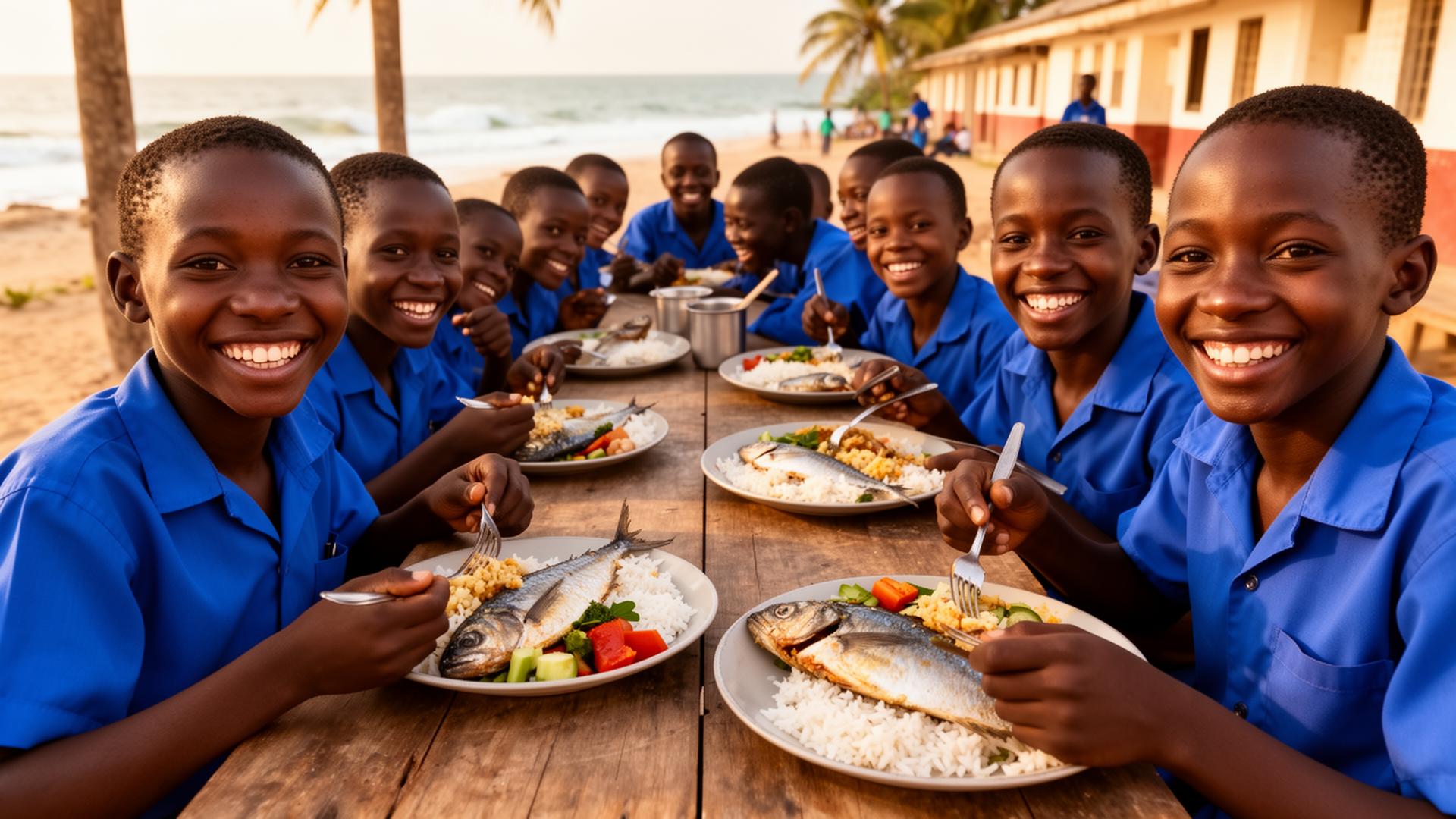
Coastal Kenyan schoolchildren enjoying a fish-and-rice school meal

Investment target

KES 250M

5,000+ jobs · Blue Economy scale-up

Where technology meets nature
Our vision
To build a sustainable, community-led Blue Economy ecosystem that improves child nutrition, creates employment opportunities for youth and women, strengthens coastal aquaculture, and ensures that every child has access to affordable and nutritious fish.

PHYG is not simply farming fish. PHYG is building a sustainable ecosystem that connects fish production, processing, value addition, education, nutrition, and markets.

What we build on
Blue Economy developmentSchool nutritionSustainable aquacultureYouth empowermentWomen's economic empowermentClimate-smart food systemsValue additionFood securityCommunity development
Transparent budget

A budget of KES 250,000,000/- to build a complete Blue Economy ecosystem.

PHYG is seeking KES 250,000,000/- to build a full Blue Economy ecosystem — 50 production ponds, hatchery, processing plant, solar drying, cold chain, FESP expansion and a training center — across coastal Kenya.

Total investment

KES 250,000,000

16 components · multi-year scale-up

Component
KES
01Land development and site preparation
KES 10,000,000
02Construction of 50 fish production ponds
KES 75,000,000
03Hatchery and fingerling production center
KES 20,000,000
04Feed storage and input supply center
KES 5,000,000
05Water infrastructure (boreholes, reservoirs and piping)
KES 10,000,000
06Solar-powered water pumping and aeration systems
KES 10,000,000
07Fish processing and value-addition plant
KES 20,000,000
08Solar fish drying facility
KES 10,000,000
09Cold storage and refrigeration facility
KES 15,000,000
10Packaging and product development equipment
KES 5,000,000
11Blue Economy aggregation center for coastal aquaculture farmers
KES 10,000,000
12Training, research and innovation center
KES 10,000,000
13Fish on Every School Plate (FESP) program expansion
KES 15,000,000
14Vehicles, transport and logistics
KES 8,000,000
15ICT, administration, monitoring and evaluation
KES 7,000,000
16Contingency
KES 20,000,000
TOTAL
KES 250,000,000
Impact statement
“A KES 250 million investment in Pwani Hydrotech Youth Group will establish a sustainable Blue Economy ecosystem that integrates aquaculture production, fish processing, value addition, school nutrition, farmer aggregation, research, and youth empowerment.”

The project is expected to create more than 5,000 direct and indirect employment opportunities while improving food security, increasing fish production, strengthening school nutrition programs, and creating a scalable model that can be replicated across Kenya's coastal region.

Impact dashboard

Where we stand today.

0 kg

Fish harvested to date

0 kg

Tilapia harvested

0 kg

Catfish harvested

0

PHYG members

0

Women members

0

Male members

0

Pilot school (Likoni)

0

Proposed fish ponds

KES 0M

Investment opportunity

Milestone achieved

Our First Harvest:
Turning Vision Into Results.

Pwani Hydrotech Youth Group has conducted its official first fish harvest at the Mtongwe farm. It marks our transition from establishing a farm to demonstrating real aquaculture production — fish grown in Likoni, by Likoni youth, on Likoni water.

The harvest is proof of practice, not just intent. It anchors everything we are building: food security on the coast, nutrition for schoolchildren, enterprise for young people and women, and a working Blue Economy model that others can replicate.

Harvest date
Tilapia — Saturday, 1 August 2026 · Catfish — Saturday, 15 August 2026
Species harvested
Tilapia & Catfish
Production results
1,195 kg total — 525 kg tilapia + 670 kg catfish (officially endorsed by CDA)
Where it went
Local market, Mtongwe & Likoni · Figures officially acknowledged by CDA Chairman Mzee Mwinyi Mzee
Harvest gallery

Photographs from the official first harvest at Mtongwe. Production results officially endorsed by CDA Chairman Mzee Mwinyi Mzee.

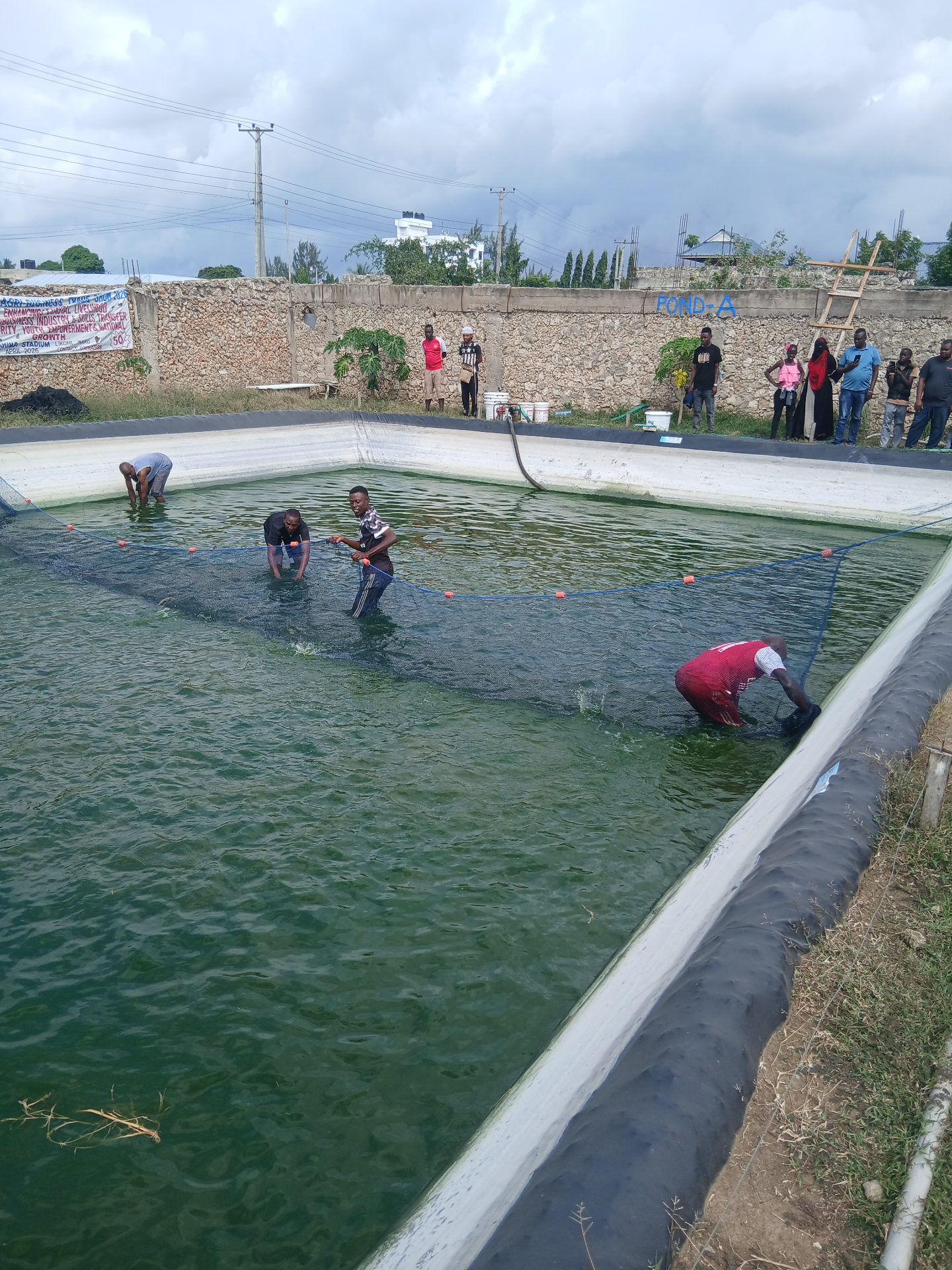
Seine netting Pond A on harvest day
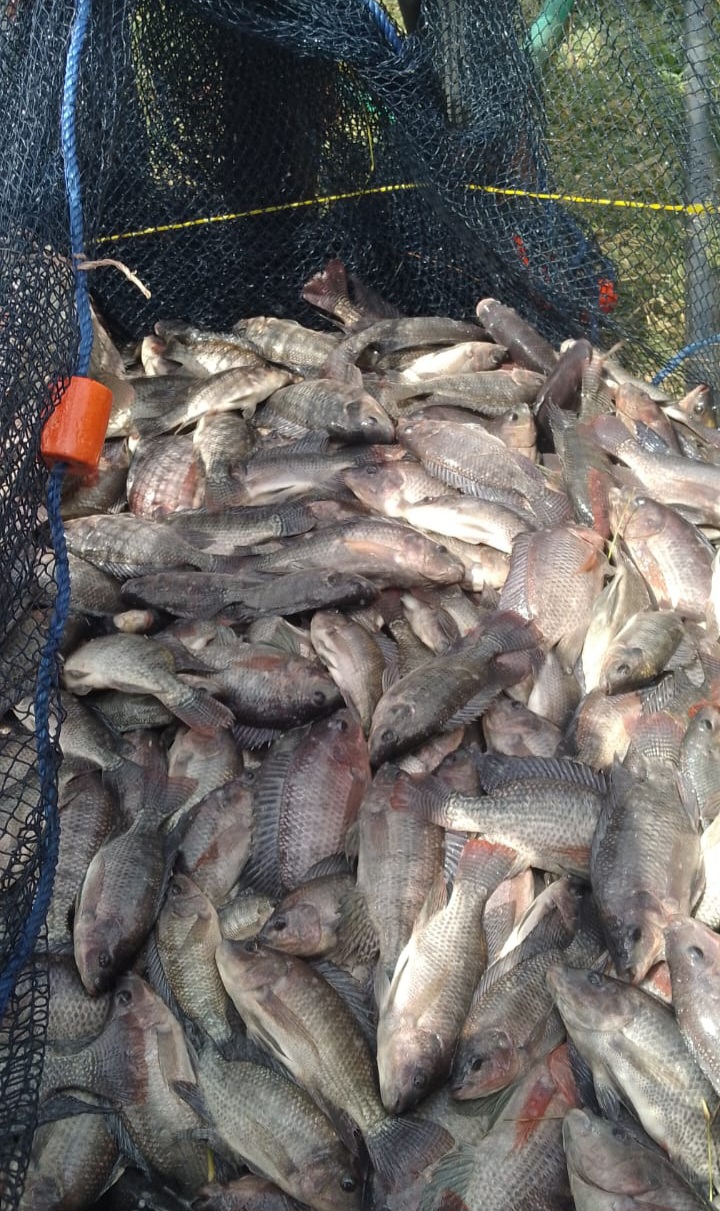
Tilapia lifted from the net
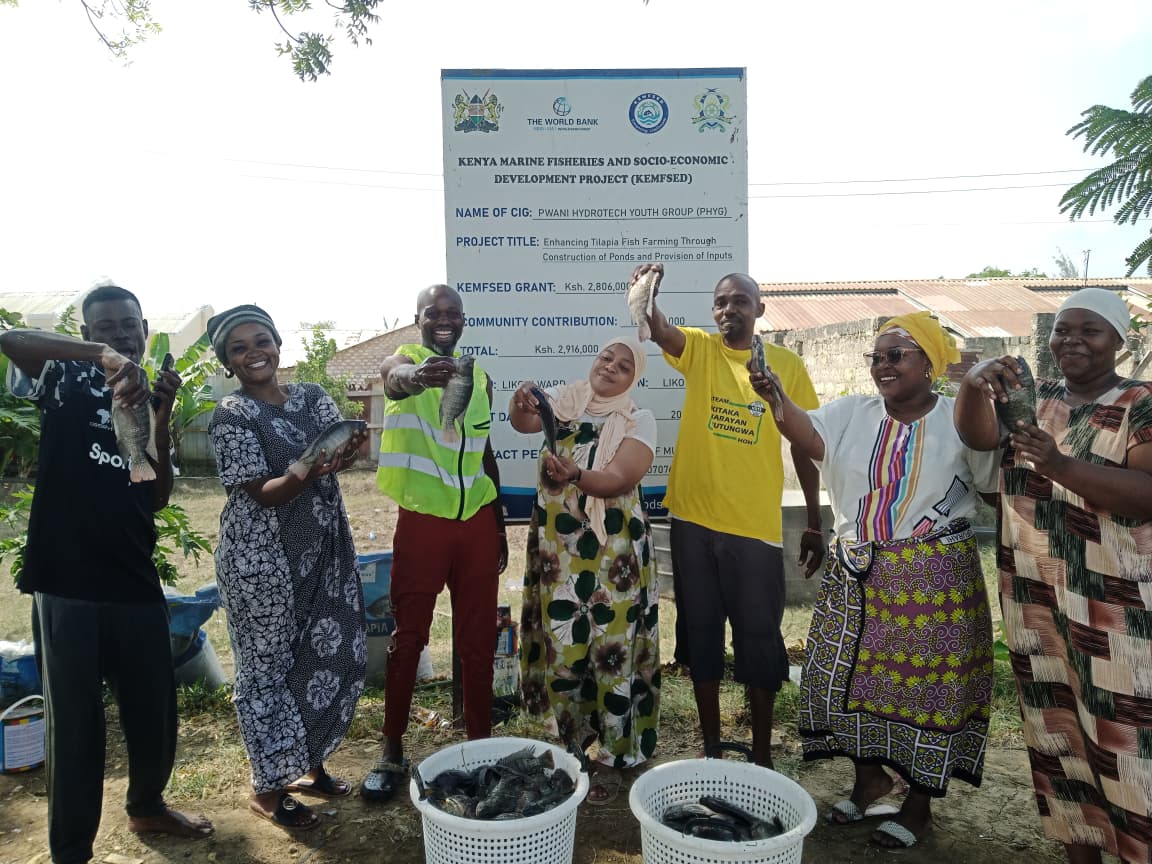
PHYG members with the day's catch at the KEMFSED project board
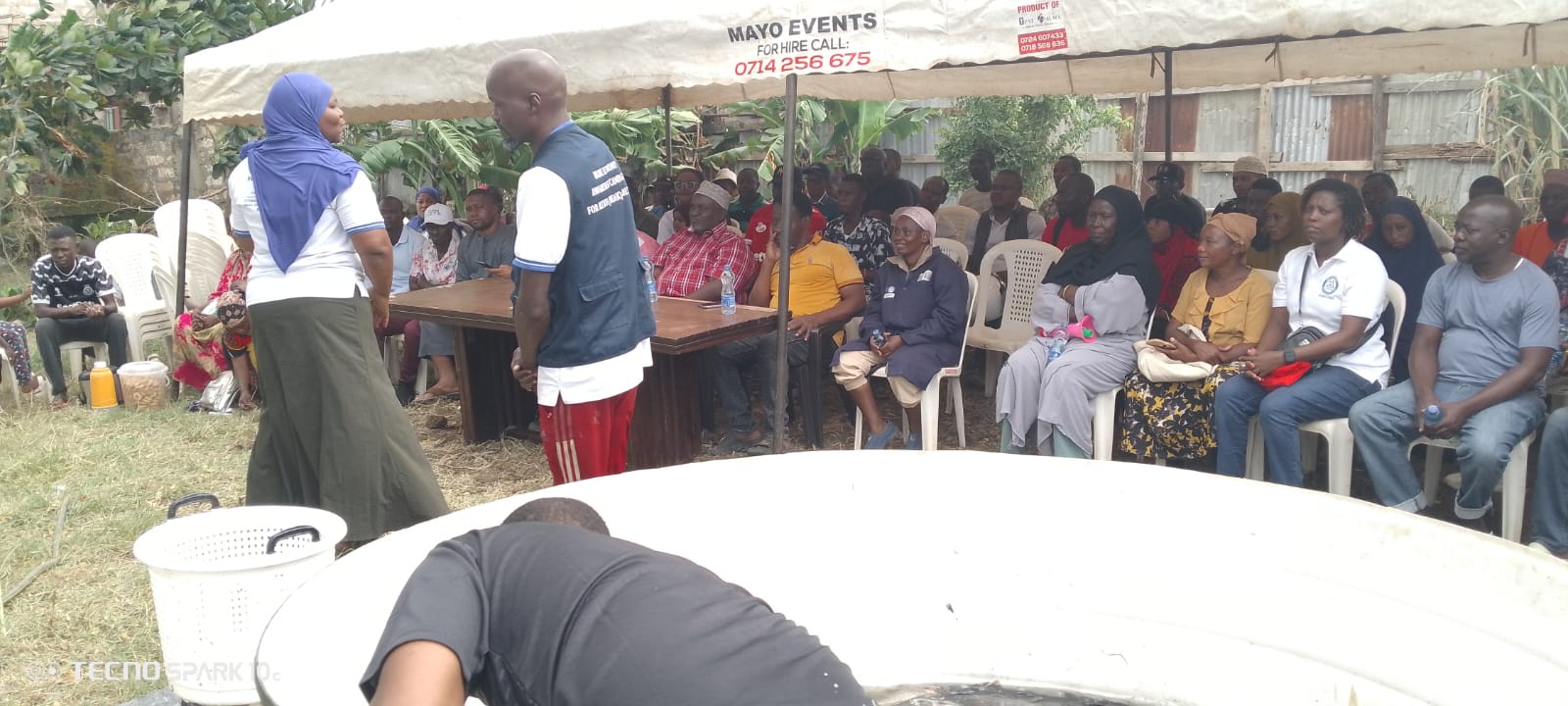
Harvest-day briefing with the community
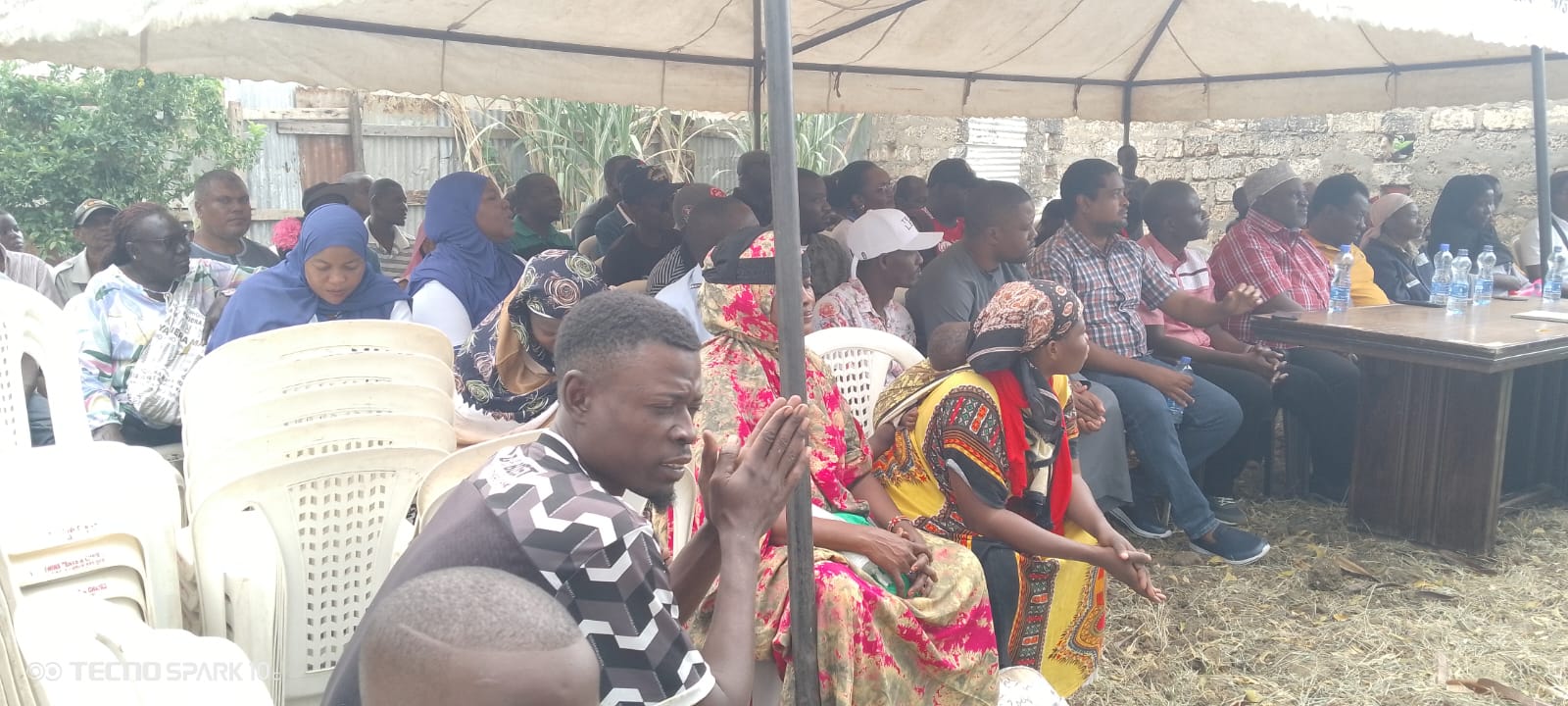
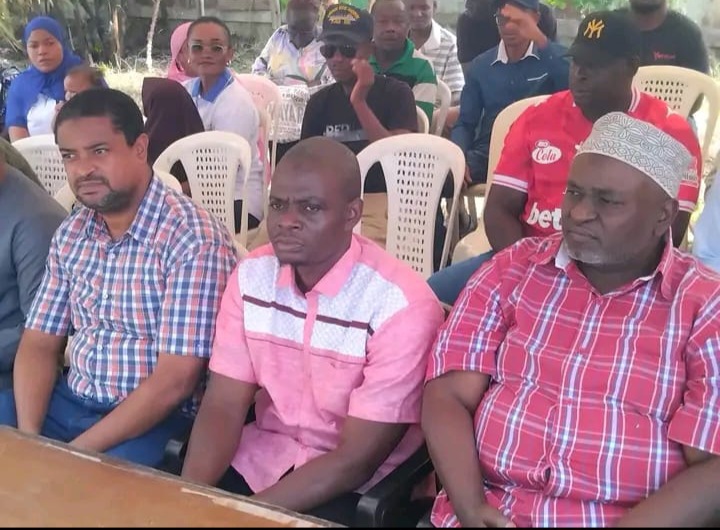
Residents, partners and youth at the harvest
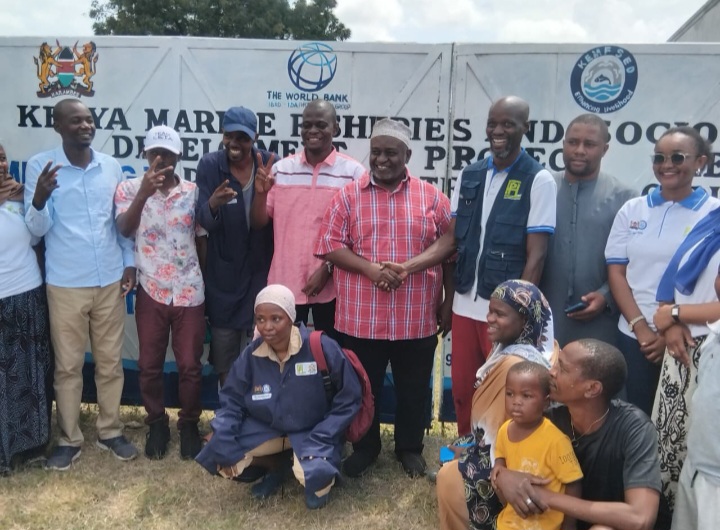
PHYG, KEMFSED and county guests at the farm
Invited guests at the harvest ceremony
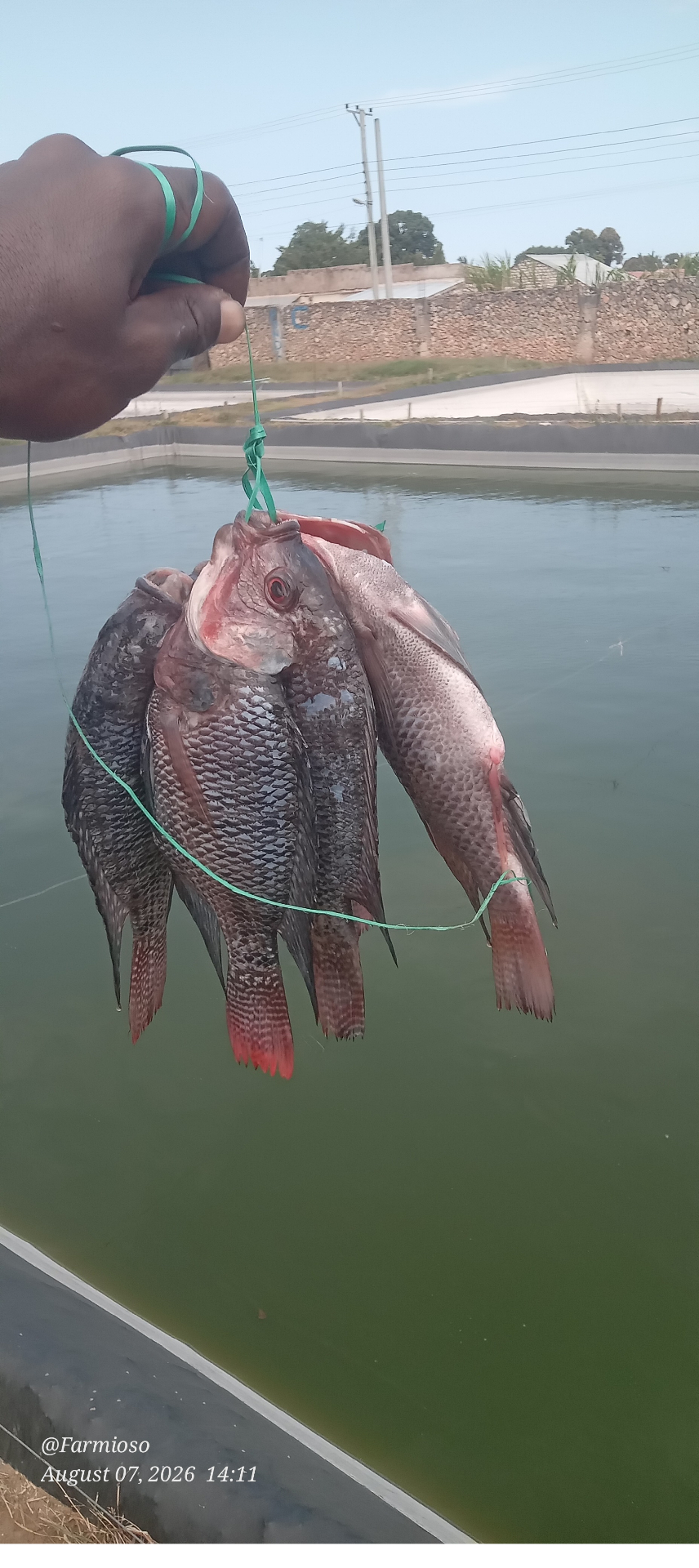
Table-size tilapia from the Mtongwe ponds
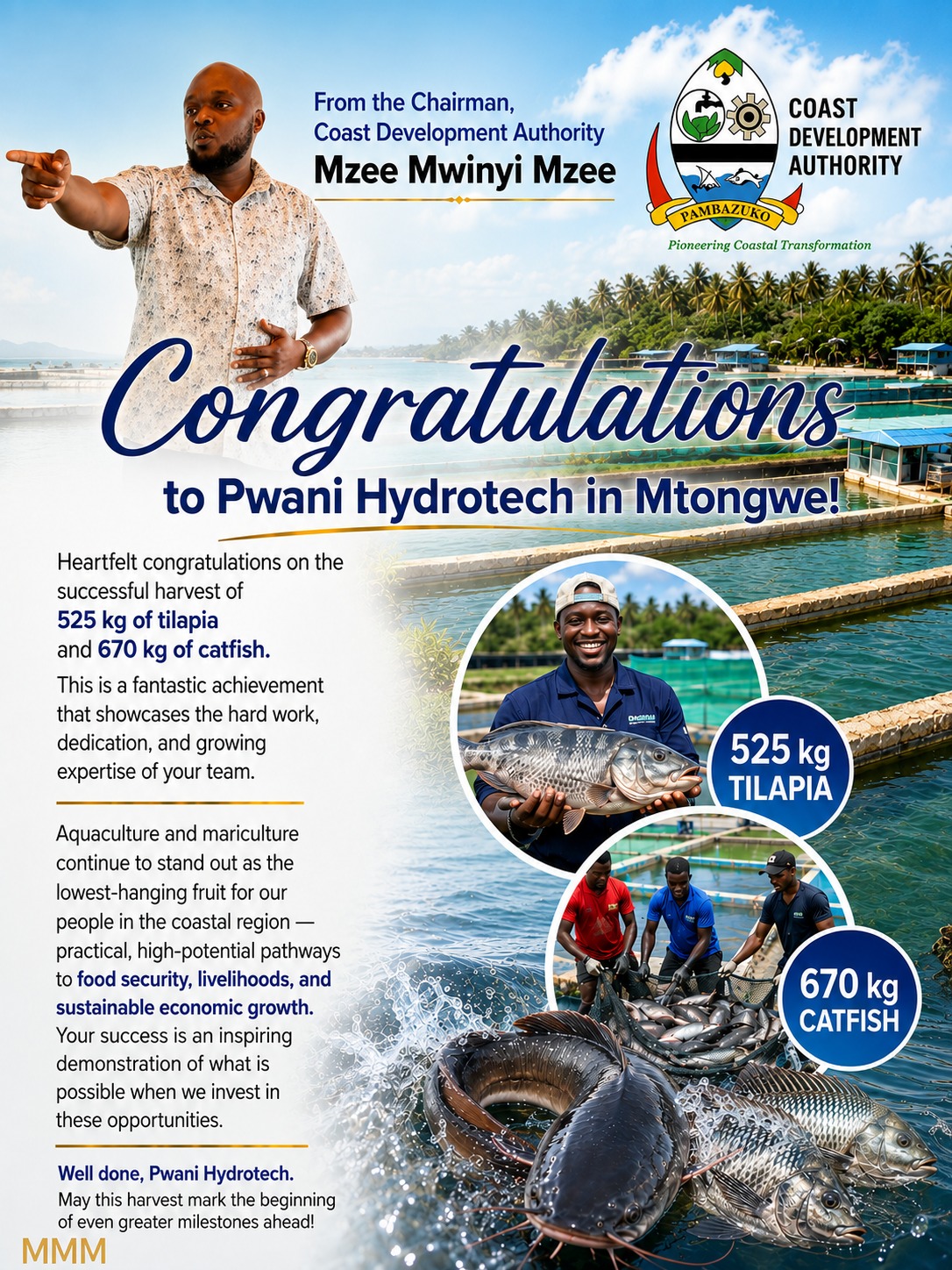
CDA Chairman Mzee Mwinyi Mzee's congratulatory poster endorsing 525 kg tilapia and 670 kg catfish harvest at Pwani HydrotechOfficial endorsement from Coast Development Authority Chairman Mzee Mwinyi Mzee of PHYG harvest figures
Officially endorsed

Official endorsement from the Coast Development Authority

Our first harvest figures — 525 kg of tilapia and 670 kg of catfish (1,195 kg total) — have been officially acknowledged and endorsed by CDA Chairman Mzee Mwinyi Mzee. In his message he described aquaculture and mariculture as the lowest-hanging fruit for coastal communities and a practical pathway to food security, livelihoods and sustainable economic growth.

“Well done, Pwani Hydrotech. May this harvest mark the beginning of even greater milestones ahead.”

— Mzee Mwinyi Mzee, Chairman, Coast Development Authority

Our farm today

A working farm in Mtongwe, Likoni.

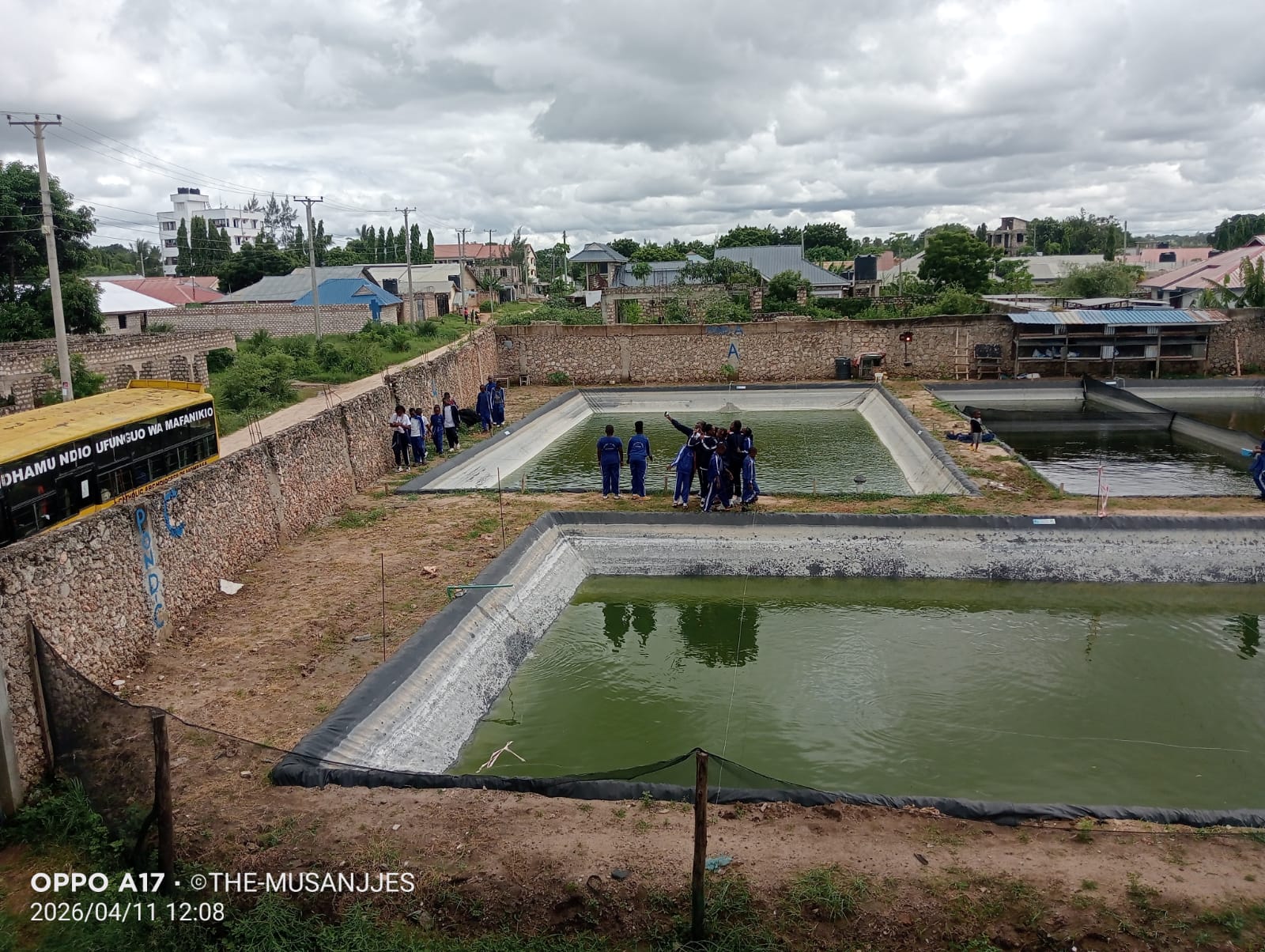
Pwani Hydrotech Youth Group operates a three-pond aquaculture farm in Mtongwe Ward, Likoni Sub-County, Mombasa County, Kenya. It is a real site with real production — not a concept on paper.

Aerial view of the three PHYG aquaculture ponds in Mtongwe, Likoni

2 ponds · 20m × 13m

Tilapia production

1 pond · 20m × 10m

Catfish production

Borehole

Independent on-site water supply

Grid electricity

Connected and operational

Fenced compound

Secured farm perimeter

2 farm buildings

Structurally incomplete — earmarked for development

The two incomplete buildings

With investment, these existing structures can be completed into a hatchery, a fish processing and value-addition unit, cold storage, a training hall and an office. They are shells today — the foundation for the next phase.

The farm story

One chain, from pond to Blue Economy.

This is the journey every fish we grow is meant to travel. Some links are running today; others are what we are building next.

  1. 01

    Pond

    Tilapia and catfish grown on site

    Operating
  2. 02

    Harvest

    Official first harvest completed

    Operating
  3. 03

    Processing

    Hygienic processing unit planned

    Building
  4. 04

    Packaging

    Branded, moisture-proof packaging planned

    Building
  5. 05

    School

    First FESP pilot underway in Likoni

    Operating
  6. 06

    Nutrition

    Protein on children's plates

    Building
  7. 07

    Jobs

    Youth, women and PWD livelihoods

    Operating
  8. 08

    Blue Economy

    A replicable coastal model

    Building
Our flagship initiative

Fish on Every School Plate.

FESP is Pwani Hydrotech Youth Group's flagship initiative — and it has moved beyond an idea. It connects a single chain: aquaculture → fish production → value addition → school nutrition.

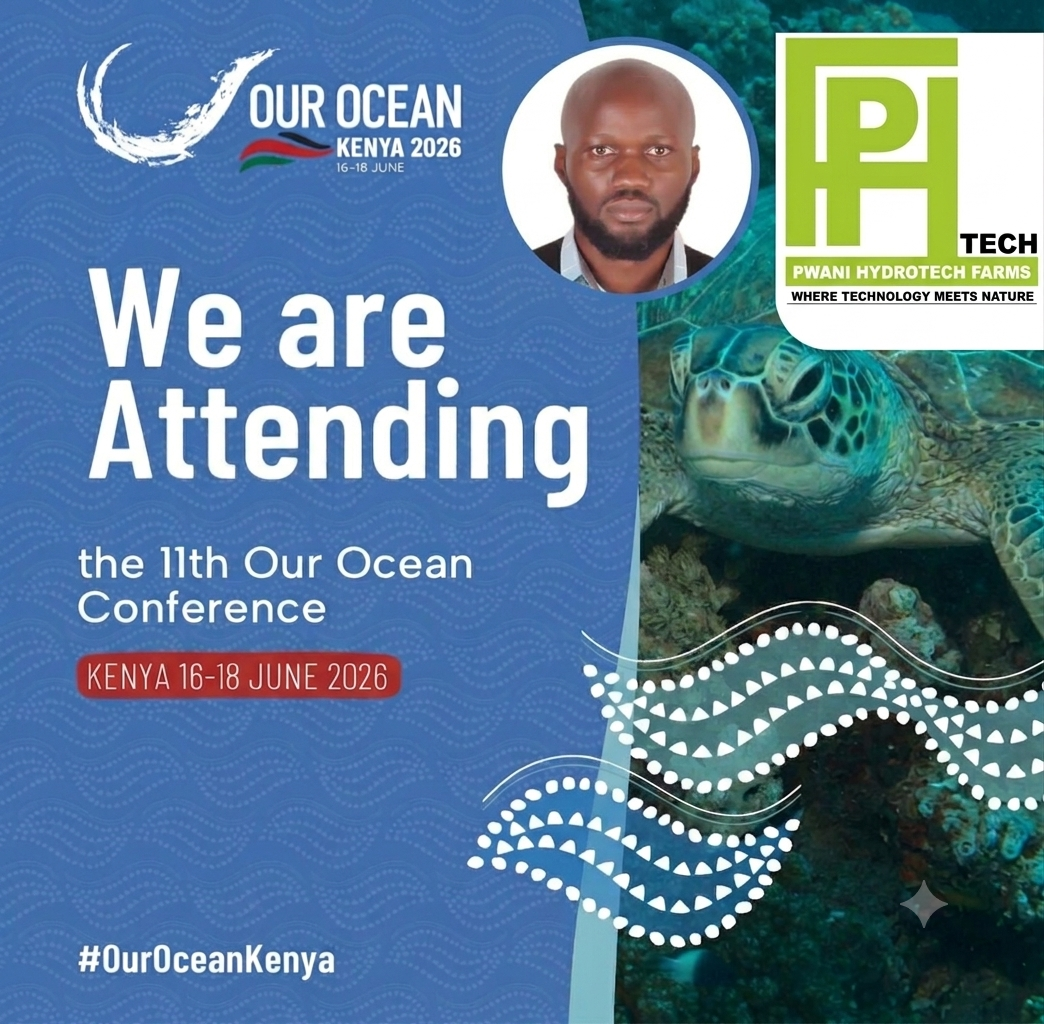
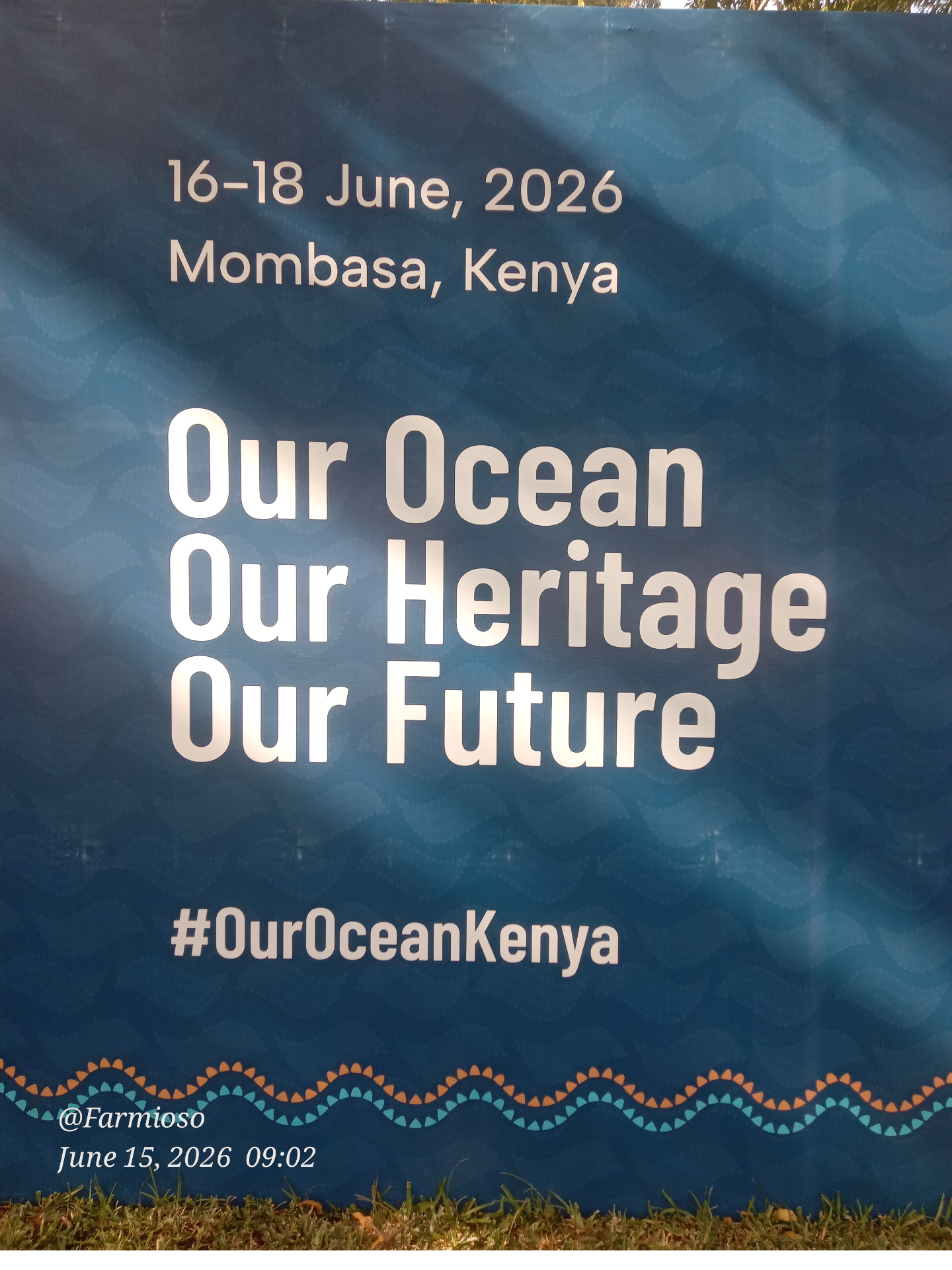
  • PHYG showcased the Fish on Every School Plate (FESP) Initiative at the 11th Our Ocean Conference.
  • The first school-level pilot is being implemented here in Likoni.
  • Our official Catfish harvest is part of the journey toward showing how locally produced fish can reach school children.
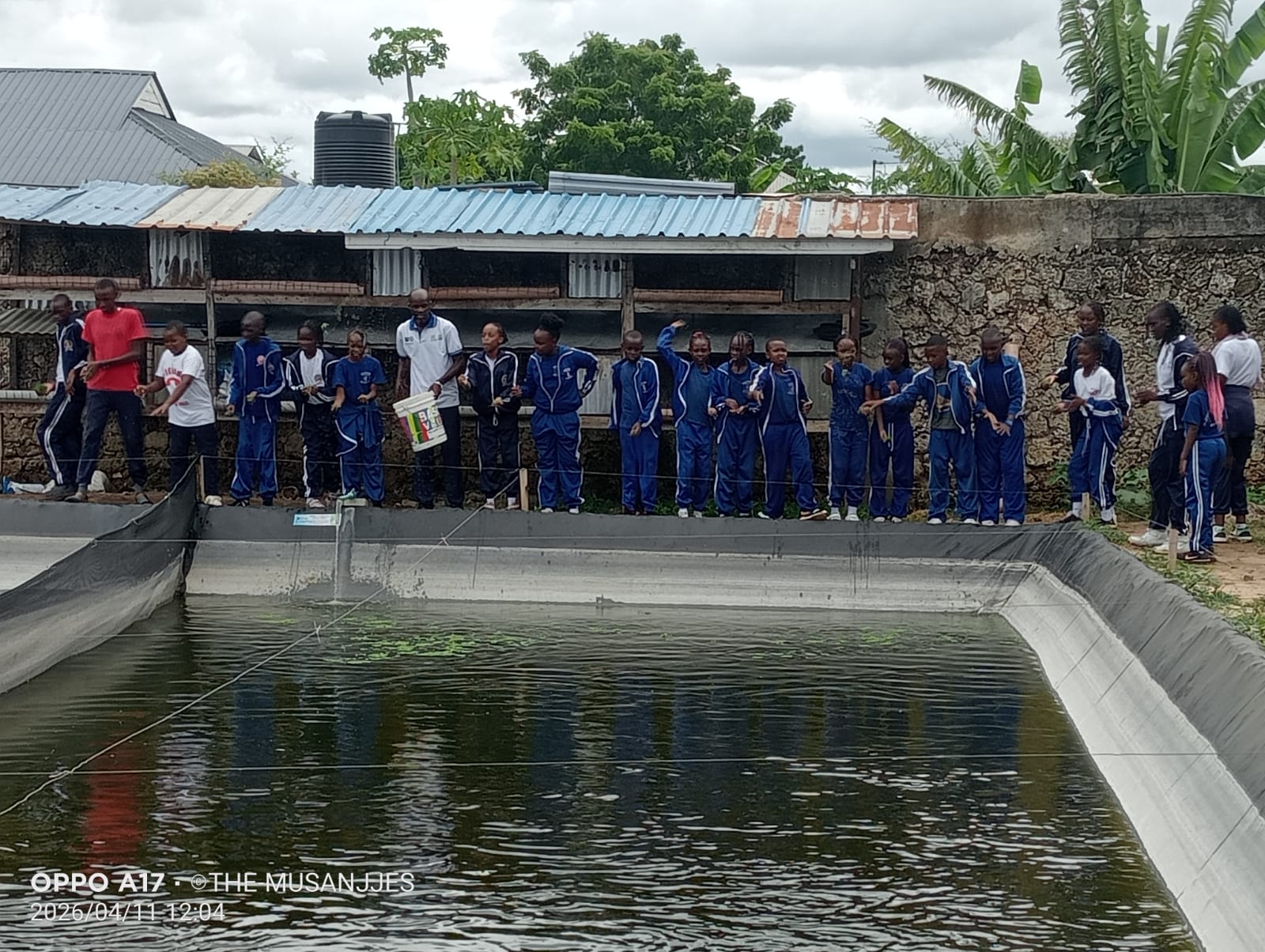
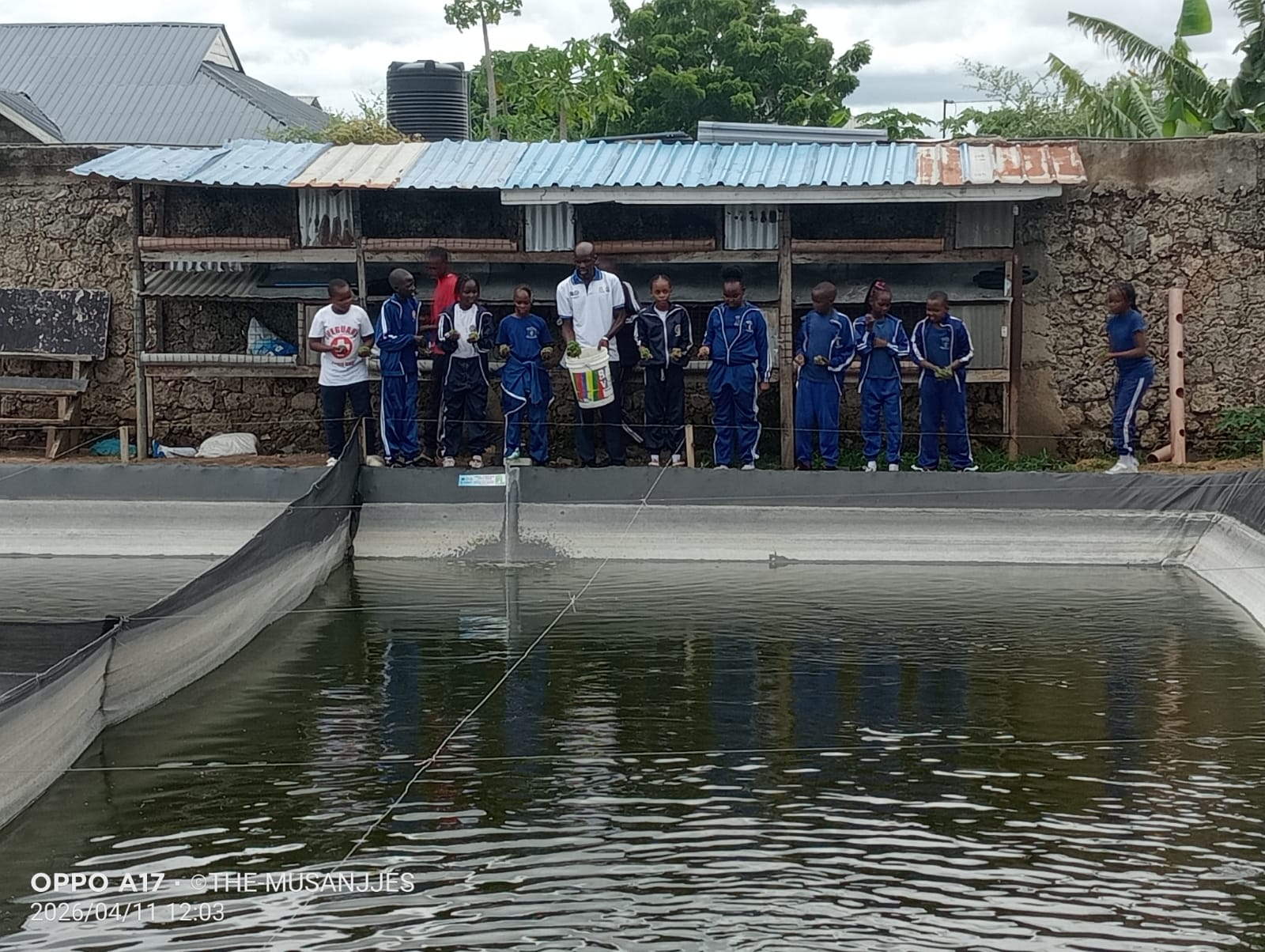
  • School harvest visits and nutrition activities are ongoing with participating learners.

The FESP pathway

  1. Fish production
  2. →
  3. Processing
  4. →
  5. Value addition
  6. →
  7. School feeding
  8. →
  9. Improved child nutrition
Improve child nutrition and learning outcomes
Reduce malnutrition in coastal schools
Create a reliable market for locally farmed fish
Support youth and women in the fish value chain
Build a replicable school-feeding supply model
Strengthen coastal food security
Learners feeding fish at the PHYG demonstration pond during a FESP school activity

Where FESP stands

In implementation — one pilot school in Likoni, one working farm, one completed harvest. Expansion to more schools depends on completing our processing, drying and cold-chain facilities.

The challenge

Our children are missing out.

Three crises collide on the Swahili coast — and they share one answer: locally produced, shelf-stable, climate-smart fish.

01

Child malnutrition

School meals on the coast are dominated by maize and rice. Children lack affordable animal protein — slowing growth, learning, and attendance.

02

Declining fisheries

Overfishing and climate change have cut daily marine catches. Fresh fish is scarce, expensive, and out of reach for public institutions.

03

Youth unemployment

Coastal youth and women are locked out of dignified work in the blue economy, despite living next to one of the world's richest fisheries.

Our solution

Pond-to-plate, powered by the coastal sun.

We farm Nile tilapia and African catfish in controlled ponds in Mtongwe. The next step is preserving that harvest with solar drying — no electricity, no refrigeration, no chemicals — to create a low-cost, protein-rich food purpose-built for school feeding logistics. The drying facility is what we are raising funds to build.

  • Tilapia and catfish farmed on site today
  • Official first harvest completed
  • Solar drying for a 3–6 month shelf life — planned
  • Run by local youth and women from Likoni
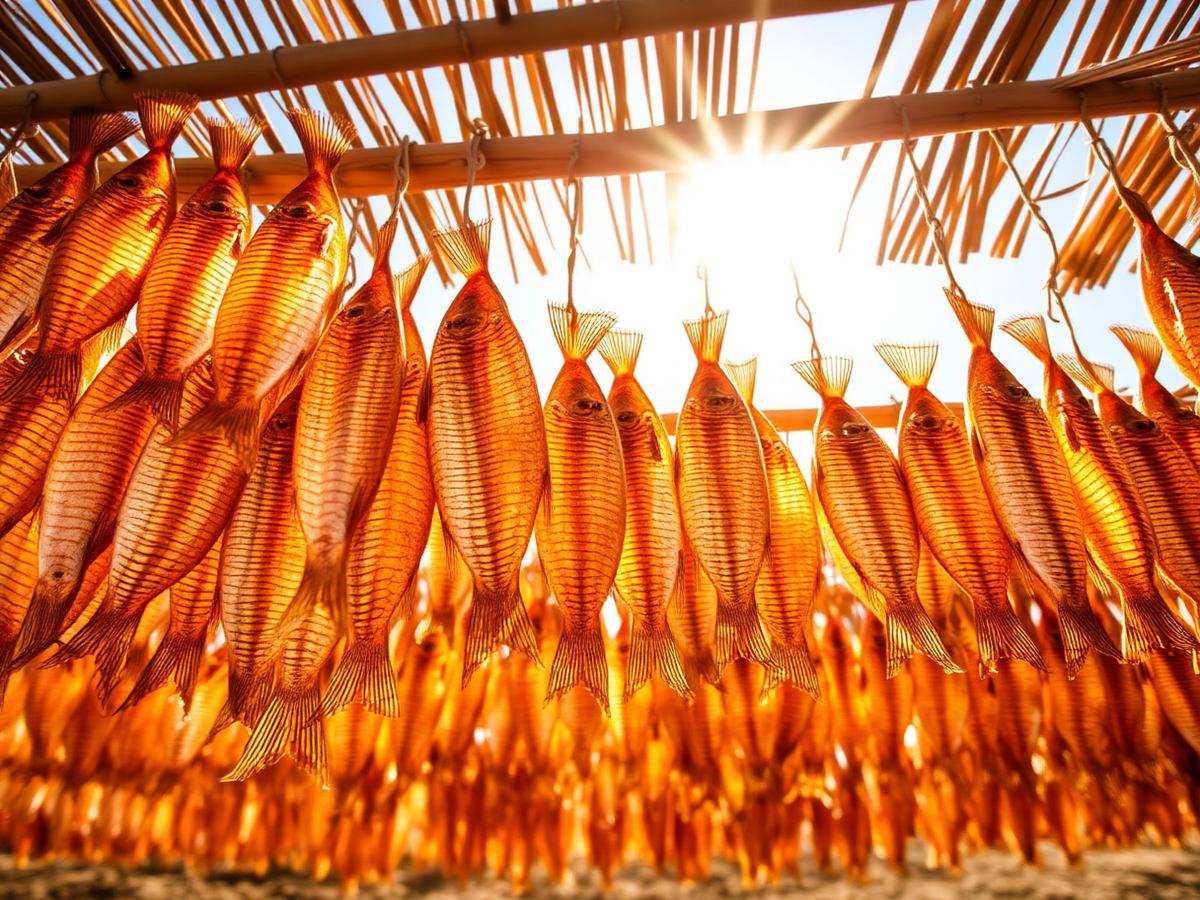
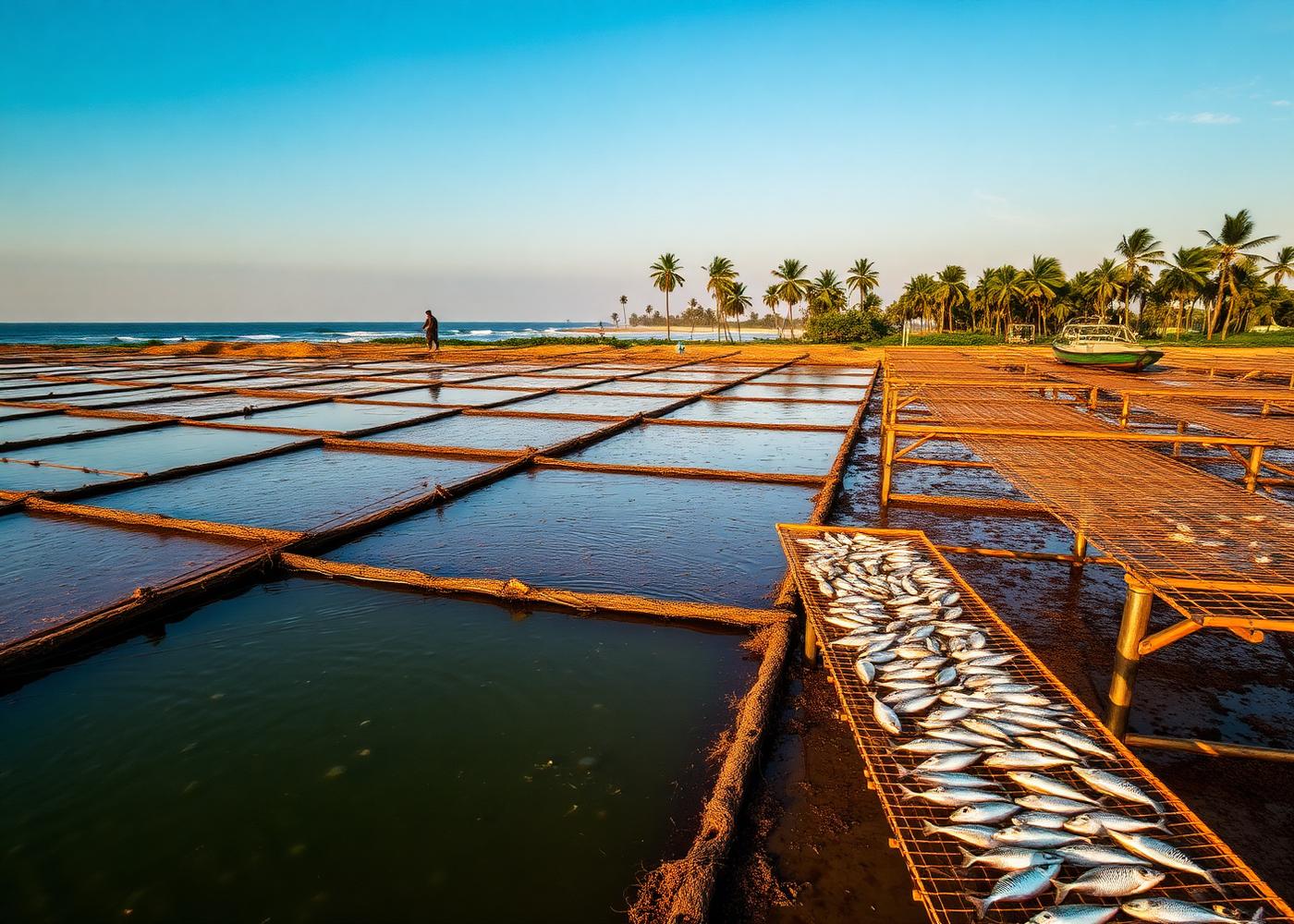
Solar-dried fish on bamboo racks under the coastal Kenyan sun
Value addition

More than raw fish.

Value addition is where a fish farm becomes a food business. Here is an honest split between what we sell today and what we are still building.

Available now
  • Fresh fish

    Tilapia and catfish harvested from our ponds and sold fresh.

Under development
  • Solar-dried fish

    Shelf-stable dried fish, pending the solar dome dryer.

  • Fish processing

    Gutting, filleting and hygienic handling in a dedicated unit.

  • Value-added products

    Fish powder, snacks and school-ready protein formats.

  • Improved packaging

    Branded, moisture-proof, labelled retail and institutional packs.

  • Cold-chain development

    Solar cold room and insulated transport to schools and markets.

  • Market expansion

    Institutional buyers, county school feeding, coastal retail.

Proposed infrastructure

The solar dome dryer.

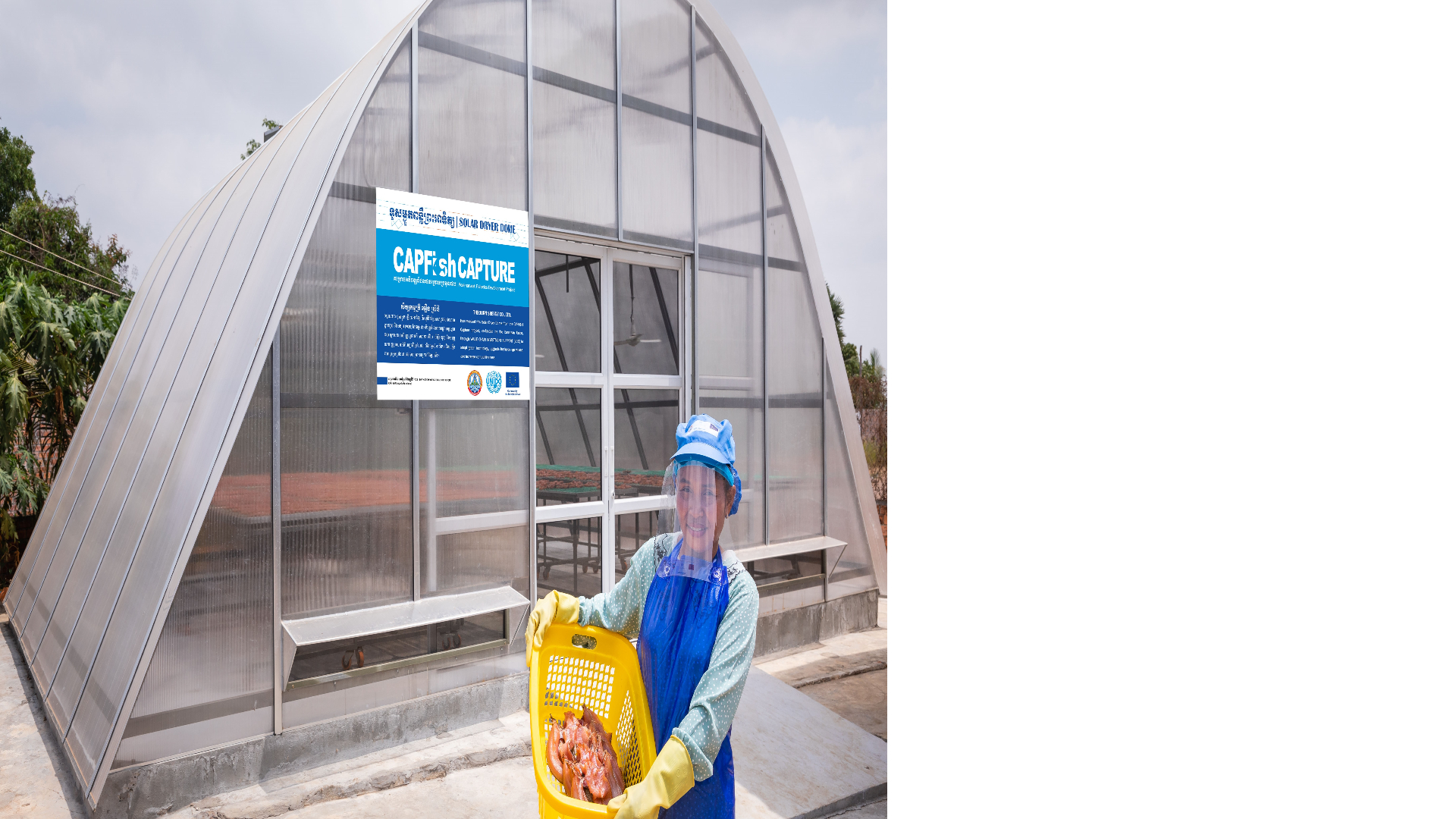
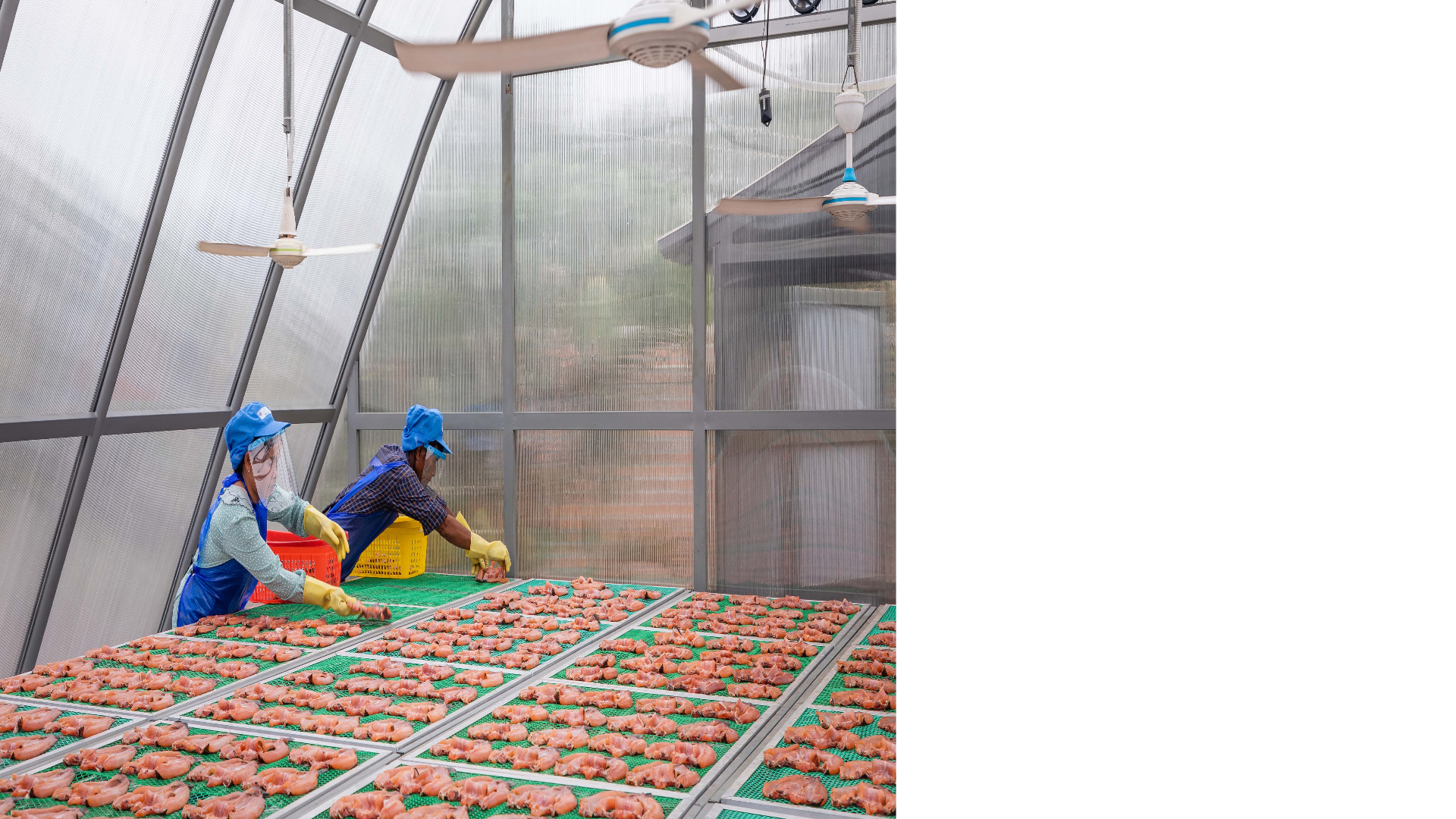
A weather-proof, food-safe drying environment that runs on sunlight alone. Polycarbonate panels trap solar heat while ceiling fans circulate hot air across raised mesh trays — drying fish in 8–12 hours instead of 2–3 days, with zero dust, zero flies and zero spoilage from sudden coastal rain.

Arched polycarbonate solar dome dryer with operator holding a basket of dried fish
Arched dome footprint (~24 m²) — siting next to the ponds for a clean pond-to-pack flow.
Inside the solar dome: operators in PPE arrange fillets on raised mesh trays under ceiling fans
Inside: raised food-grade mesh trays, PPE-equipped operators, ceiling fans for even airflow.
8–12 hr
Drying time per batch
~60 °C
Interior temperature on a sunny day
0 kWh
Grid electricity required
HACCP
Food-safe, export-grade hygiene

Reference images: CAPFISH-Capture solar dryer dome (Cambodia), co-funded by the EU — the proven design PHYG will adapt for the Kenyan coast.

Where we stand

What we have. What we are building.

We keep this distinction sharp. Nothing on the right-hand side exists yet — it is what partnership and investment will make real.

What we have

Operating today

  • 3 operational fish ponds
  • Borehole water supply
  • Grid electricity on site
  • Fenced farm compound
  • Existing farm buildings (incomplete)
  • Aquaculture production experience
  • Official first harvest achieved
What we are building

Not yet built

  • Hatchery
  • Fish processing / value-addition facility
  • Solar drying infrastructure
  • Cold storage and cold chain
  • Training facility
  • Expansion of FESP to more schools

Proposed infrastructure. None of these facilities is complete.

Skills transfer & employment

Aquaculture that empowers every coastal hand.

Every pond, drying rack and packaging line is also a classroom. PHYG transfers practical aquaculture skills to youth, women and persons with disability — and employs them across the value chain, from hatchery to school plate. No one is left at the shoreline.

Inclusion target · Year 1

50–100 direct & indirect jobs · ≥50% women · ≥30% youth · meaningful PWD inclusion across every site.

01

Youth

Hands-on apprenticeships in hatchery management, pond husbandry, solar drying, packaging, and route-to-market — turning coastal unemployment into dignified blue-economy careers.

02

Women

Women-led cooperatives run processing, drying and packaging lines. Predictable monthly income, asset ownership in equipment, and leadership seats on the cooperative board.

03

Persons with disability

Workstations, training and roles are designed inclusively. PWDs are employed across feeding, sorting, packaging, and quality-control — full participants in the value chain, not beneficiaries.

Classroom at the farm

The CBC/CBE farm school.

Kenya's Competency-Based Curriculum and Competency-Based Education explicitly include Agriculture as a learning area. PHYG opens its ponds, hatchery and solar drying yard as a living classroom — schoolchildren learn aquaculture, nutrition, climate adaptation and entrepreneurship by doing, on a working farm.

  • Curriculum-aligned field trips for primary & junior secondary learners
  • Pond-to-plate demonstrations: hatchery, harvesting, solar drying, packaging
  • Teacher training packs co-designed with school heads
  • Career exposure: agripreneurship, blue economy, climate-smart food systems
County partnership

Delivered with the County Government of Mombasa.

PHYG works hand-in-hand with the County Government of Mombasa to coordinate Fish on Every School Plate across public primary schools — aligning with the county's school nutrition, blue-economy and youth-employment agendas, and the national Dishi na County / Msosi Shuleni programmes.

  • Joint school selection & meal-plan integration
  • County Department of Education & Department of Blue Economy as co-leads
  • Shared M&E with sub-county nutrition and fisheries officers
  • Pathway to scale across all six coastal counties
Year 1 targets — not yet achieved

More than a fish farm.

Our model stacks eight outcomes on one piece of land: aquaculture, food security, school nutrition, youth employment, women's participation, value addition, renewable energy and the Blue Economy.

The figures below are projected targets for Year 1 with full funding of the KES 250M investment. They are not results we have recorded.

10–15 T

Fish produced per year

5–10

Schools supplied

5–10k

Children reached

50–100

Direct & indirect jobs

3–5

Solar drying units installed

6

Counties in the scale-up footprint

SDG 2 & 3
Nutrition & health
SDG 4
Education outcomes
SDG 8
Youth & women jobs
SDG 14
Ocean conservation
Looking ahead

Expected impact by 2030.

Targets with full investment — not results achieved to date.

Over 5,000 direct and indirect jobs created

50 productive fish ponds in operation

Thousands of school children fed nutritious fish

Increased fish production for coastal Kenya

Youth and women economically empowered

A replicable Blue Economy model for the region

Stronger coastal food security

Research, training and innovation capacity

Achievement · 11th Our Ocean Conference

Our Ocean. Our Heritage. Our Future.

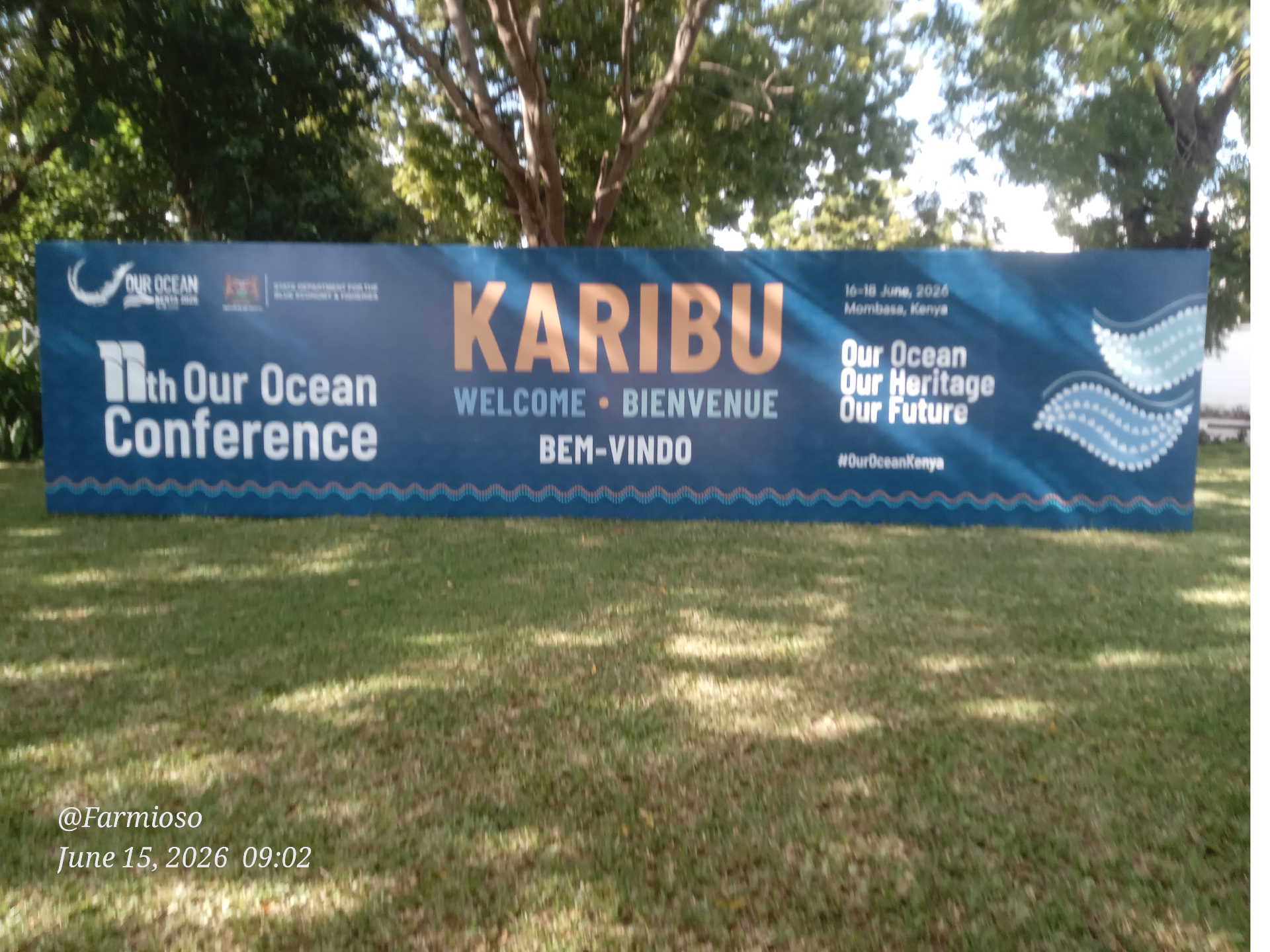
PHYG showcased the Fish on Every School Plate (FESP) Initiative at the 11th Our Ocean Conference — the first time this landmark global event was held on African soil. Our work was the theme made tangible.

Our heritage

Mtongwe and Likoni have fished the Western Indian Ocean for generations. We modernise that heritage — we don't replace it.

Our ocean

Pond aquaculture reduces pressure on overfished marine stocks. Solar-dried fish is a direct alternative to destructive extraction.

Our future

Trained youth, fed children, and a replicable blue-economy model across coastal Kenya — the next generation of ocean stewards.

Partnerships · SDG 17 · 11 August 2026

From partnerships to impact

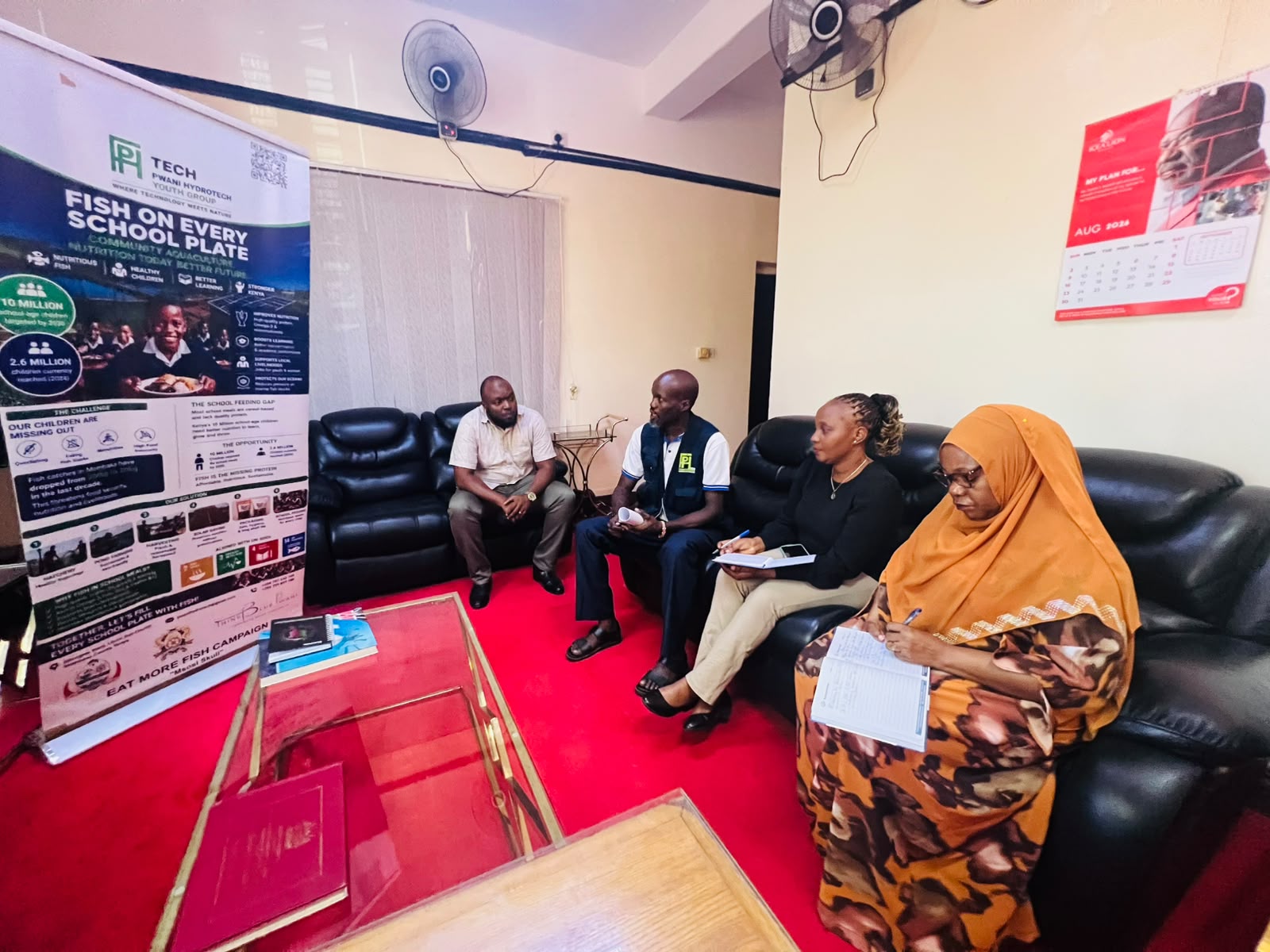
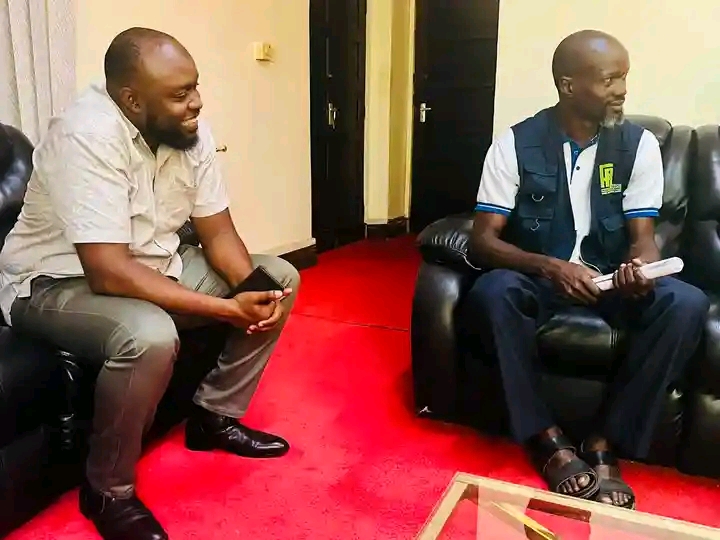
On 11th August 2026, PHYG visited the Coast Development Authority headquarters. A sincere thank you to CDA for the welcome and for believing in the vision of Pwani Hydrotech Youth Group.

At the heart of our vision is the Fish On Every School Plate (FESP) Initiative — a practical Blue Economy model connecting aquaculture, school nutrition, youth and women empowerment, PWD inclusion, fish value addition and employment creation.

Read CDA’s post about the visit

Coast Development Authority (CDA)

PHYG was welcomed at CDA headquarters by Chairman Mzee Mwinyi Mzee and Ag. Managing Director Dr. Mwanasiti Bendera, who received the FESP vision with warm encouragement and support.

Beyond fish production

Solar-powered fish drying and processing add value to every catch, cut post-harvest losses and create meaningful employment for youth, women and persons with disability.

SDG 17 in practice

Partnerships for the Goals — communities, government, institutions and development actors turning an innovative idea into a sustainable, lasting model.

CDA headquarters visit · Photo gallery
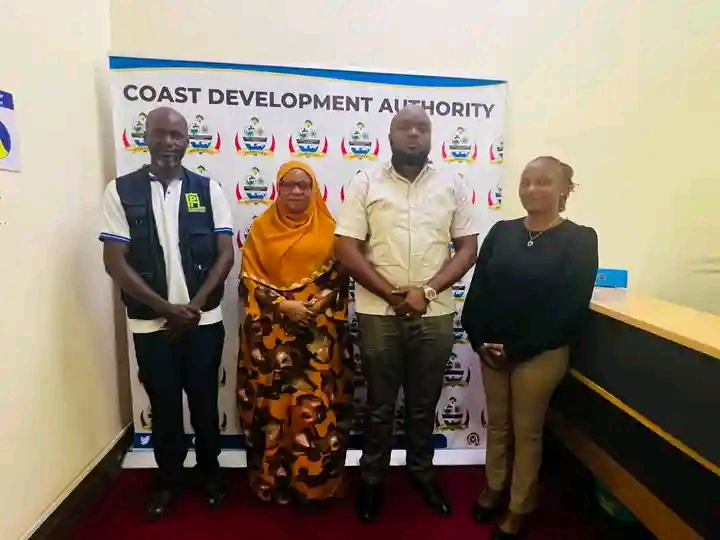
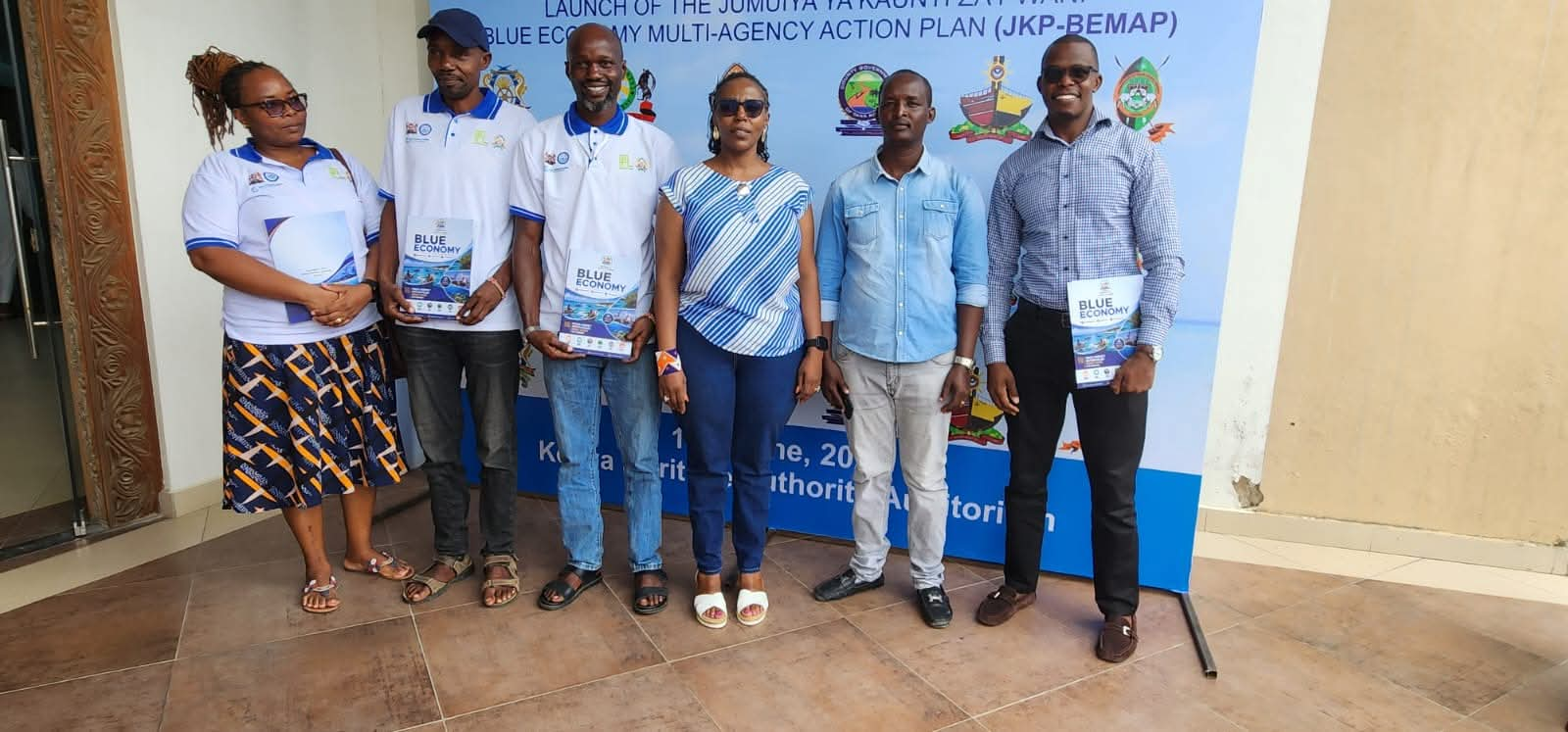
PHYG delegation with CDA leadership at the Coast Development Authority backdrop
11 August 2026 · PHYG delegation with CDA leadership at the Coast Development Authority headquarters, Mombasa.
FESP briefing session at CDA headquarters with the Fish on Every School Plate banner
11 August 2026 · Briefing on the Fish on Every School Plate (FESP) initiative at CDA headquarters.
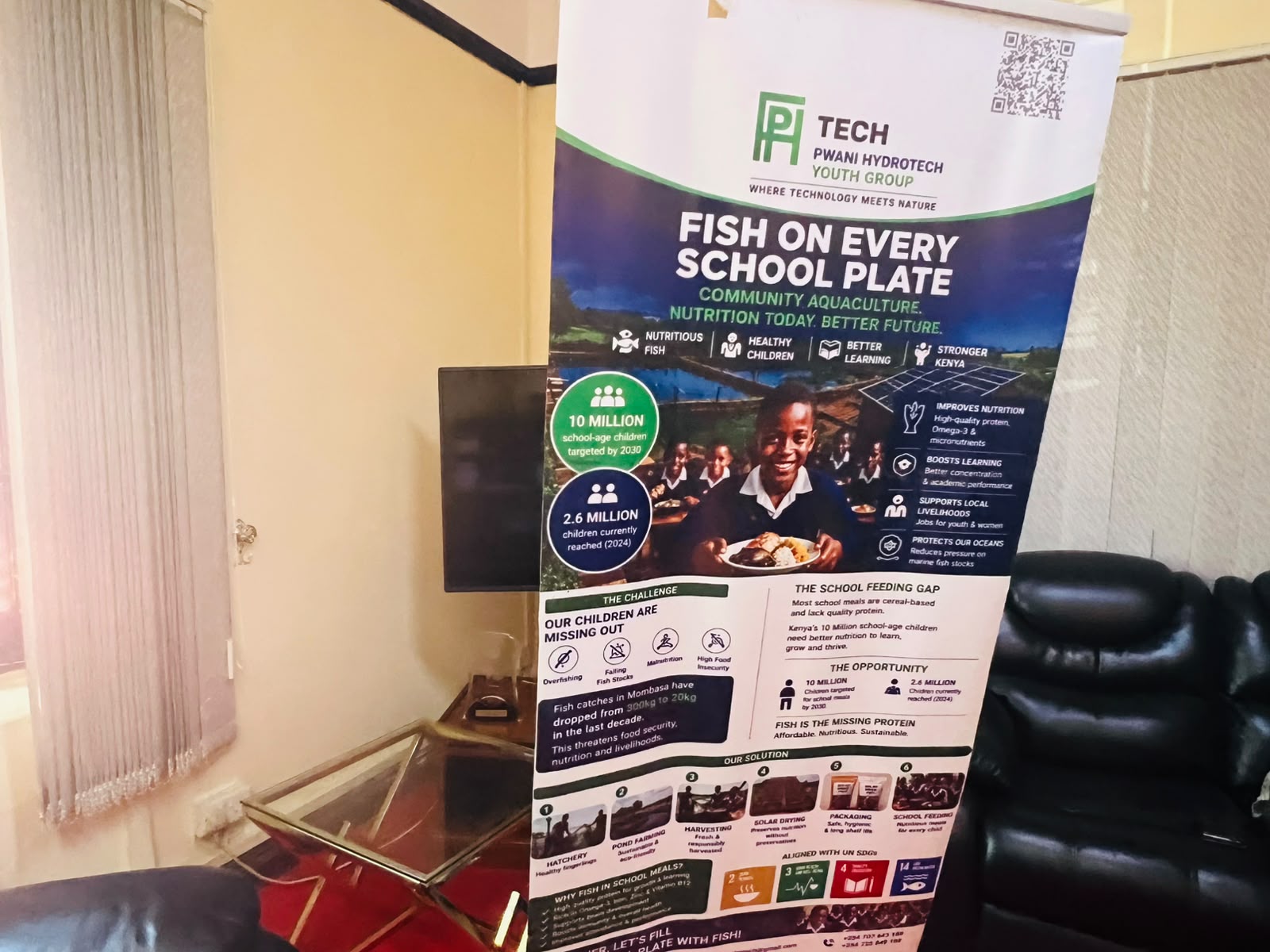
Fish on Every School Plate banner displayed at CDA headquarters
11 August 2026 · The FESP campaign banner presented to CDA — community aquaculture, nutrition today, better future.
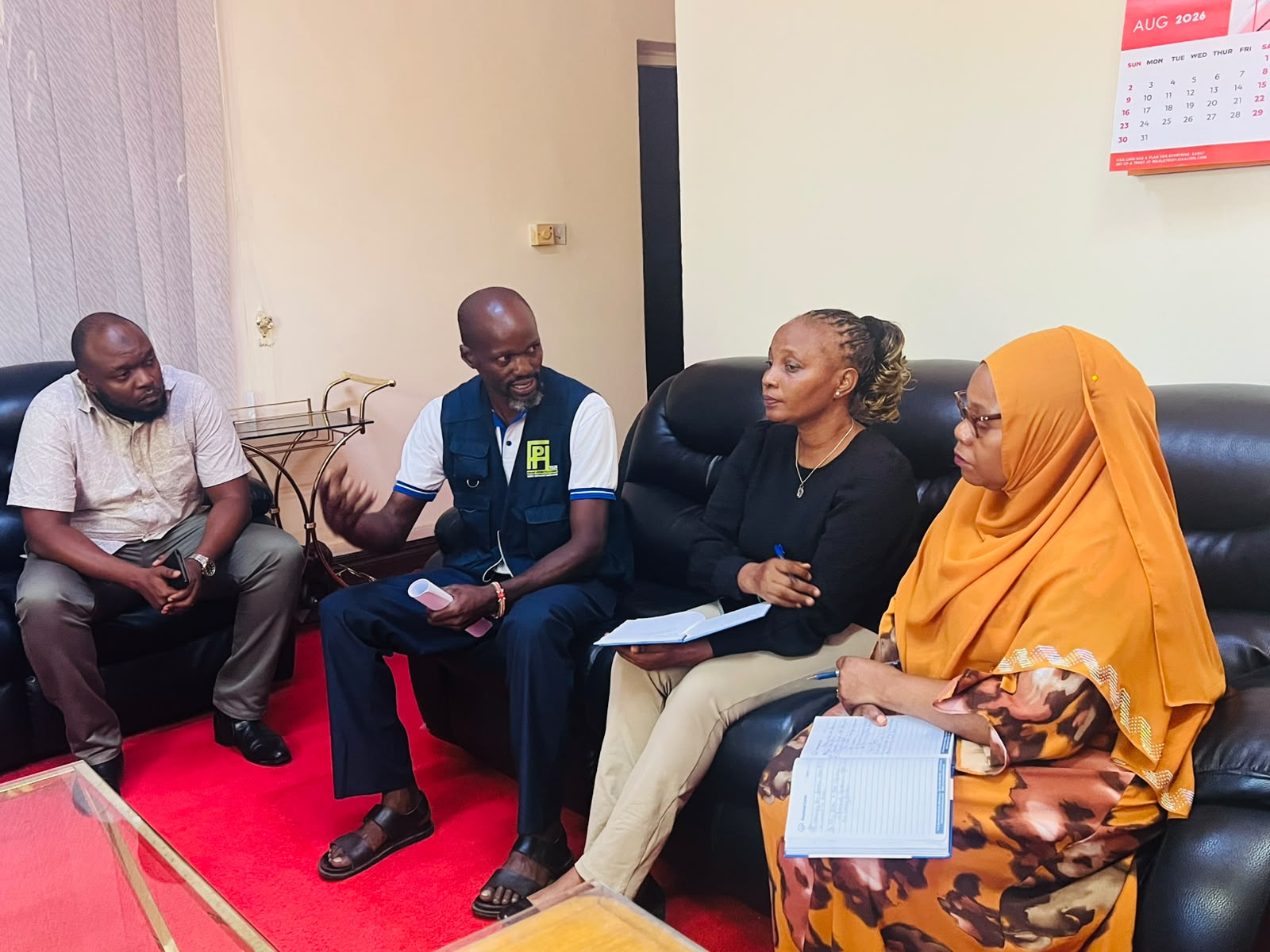
Discussion between PHYG and CDA officials seated at headquarters
11 August 2026 · Discussions on aquaculture, solar-powered value addition and school nutrition partnerships.
PHYG chairman presenting FESP documents to CDA officers
11 August 2026 · PHYG presenting the FESP concept and first harvest results to CDA officers.
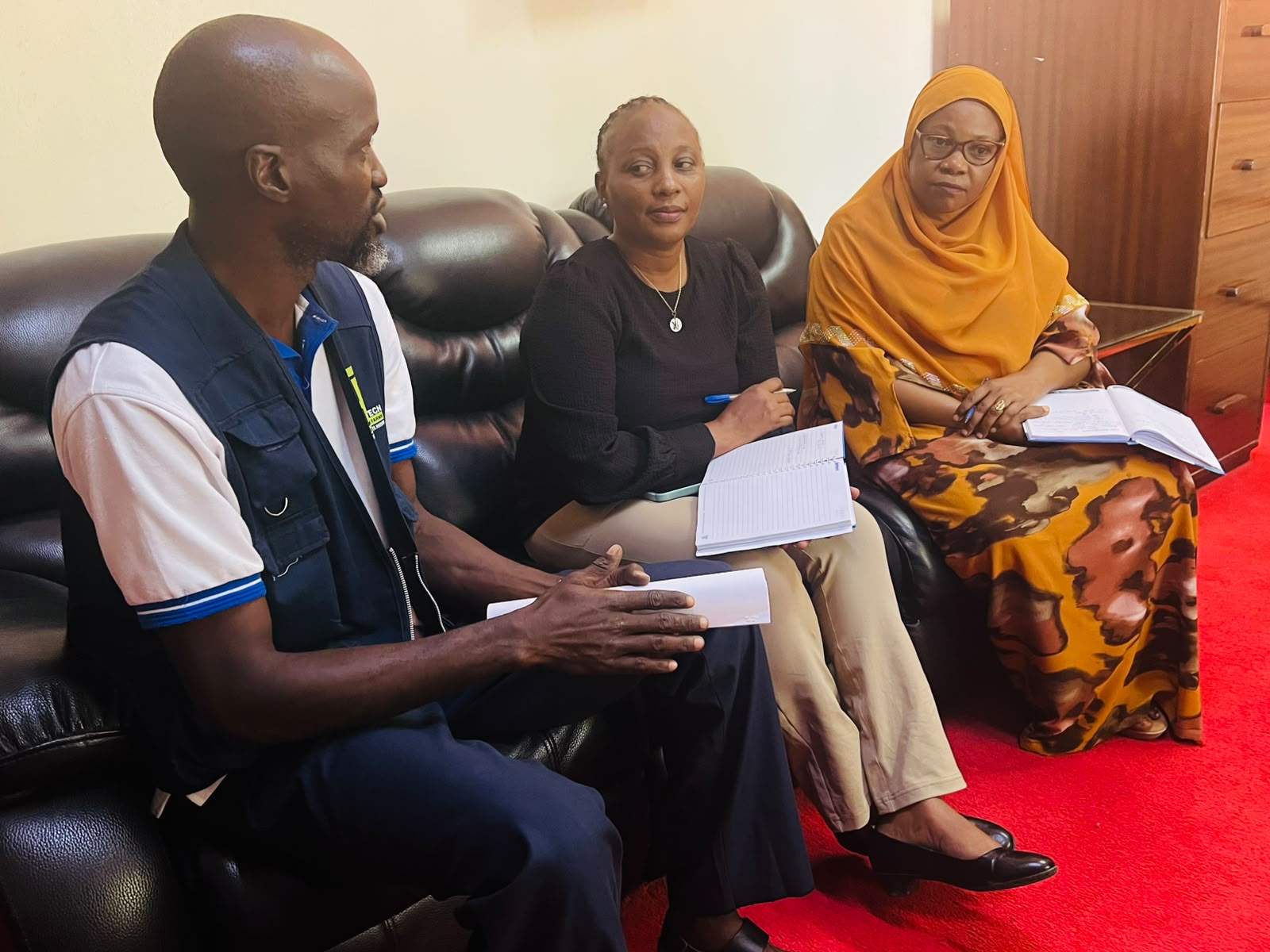
One-on-one meeting at Coast Development Authority headquarters
11 August 2026 · Courtesy engagement at CDA headquarters on scaling FESP across the Coast region.
Next milestone · 15 August 2026

School-based fish harvest & nutrition demonstration

On 15th August 2026 we take another step in the FESP journey, with the Coast Development Authority (CDA) and the Kenya Fisheries Service (KeFS) invited to witness it.

Home-grown: from pond to school plate. From fish to value. From vision to employment. From partnerships to impact.

Strategic partnerships

Built together, not alone.

Coast Development Authority (CDA)

Regional Blue Economy development and SDG 17 collaboration.

KEMFSED Mombasa

Marine fisheries and socio-economic development support.

County Government of Mombasa

Coordination of school nutrition and aquaculture development.

Schools in Likoni

FESP pilot implementation and learner nutrition activities.

Development partners & investors

Financing the processing, drying and cold-chain build-out.

Research & training institutions

Skills transfer, innovation and best-practice aquaculture.

Built to replicate

A model the whole coast can run.

Coastal Kenyan aquaculture ponds with solar drying racks
  1. Phase 1

    Likoni farm (now)

    3 ponds operational in Mtongwe · tilapia and catfish · official first harvest completed.

  2. Phase 2

    Mombasa county · Year 2

    15–20 ponds · enhanced processing · 10–20 additional schools supplied.

  3. Phase 3

    Coastal Kenya · Year 3

    40–50 ponds across 15,000+ m² · 60–100 T/year · Kwale, Kilifi, Tana River.

Partner with PHYG

Build the Blue Economy with us.

Pwani Hydrotech Youth Group is seeking strategic partners, investors, government institutions, development organisations and private-sector partners to scale what already works in Likoni.

  • Aquaculture production
  • Fish on Every School Plate
  • Fish value addition
  • Solar-powered processing & cold chain
  • Youth and women's livelihoods
  • School nutrition
Pay by M-Pesa

Donate directly with M-Pesa

Enter your Safaricom number and amount — you'll get an STK Push prompt on your phone.

Contact
Dr. Fahmy Seif Musanjje
Chairperson, Founder & Principal Investigator
Email
pwanihydrotech@gmail.com
Phone
+254 707 643 188 · +254 751 469 188
Address
Mtongwe Ward, Likoni Sub-County
Mombasa County, Kenya
Affiliation
KEMFSED Mombasa — World Bank / Government of Kenya

Join us in building a sustainable Blue Economy for coastal Kenya.

Partner with Pwani Hydrotech Youth Group to feed children, employ youth and women, and grow a food system the whole coast can replicate.